Slovakia
Although imported seafood is slowly conquering the Slovak market, locally grown carp and trout still predominate.
Geographical position
Although imported seafood is slowly conquering the Slovak market, locally grown carp and trout still predominate.
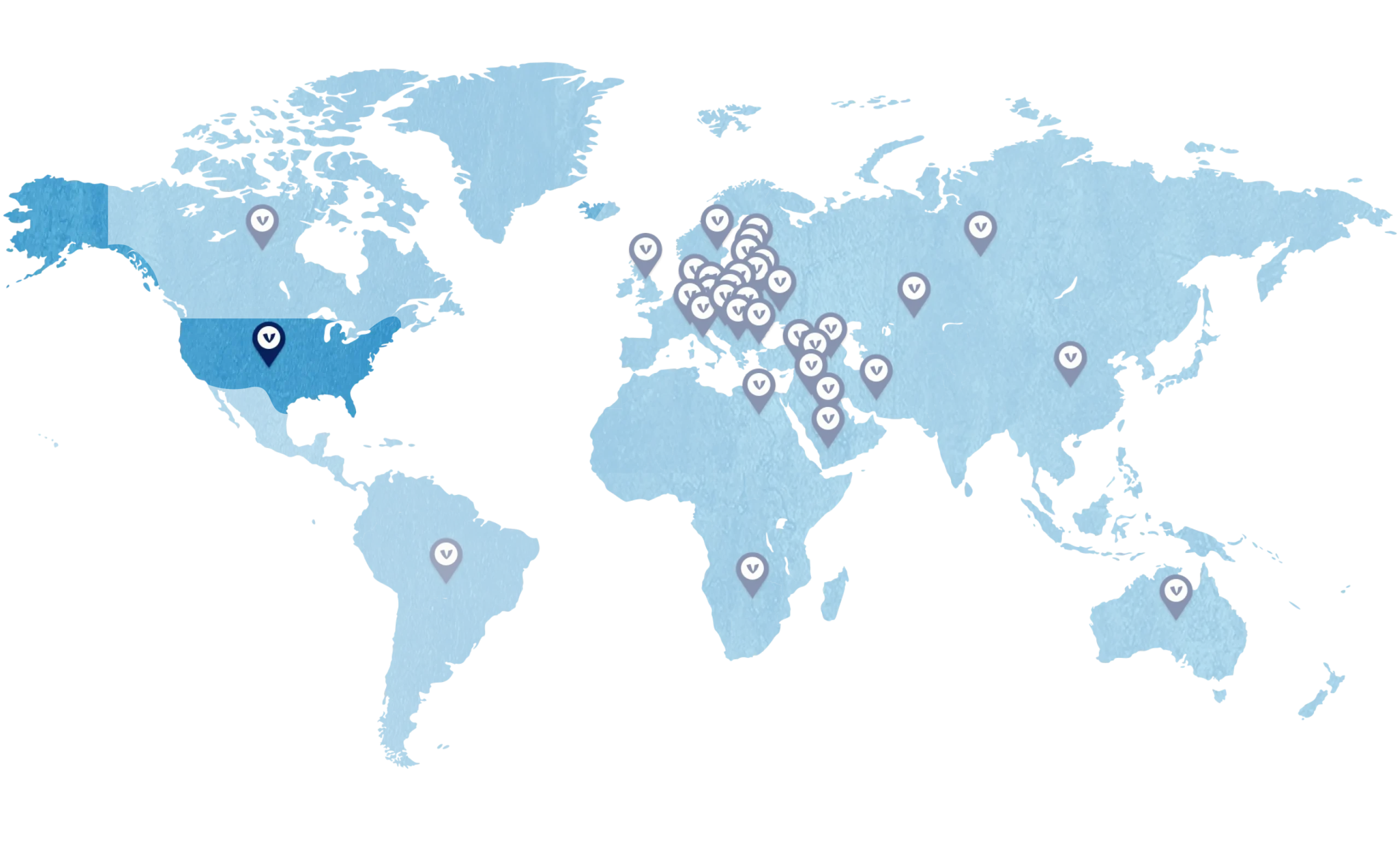
Slovakia is situated in Central Europe and occupies an area of 49 036 km2. The capital of Slovakia is Bratislava, whereas other larger cities include Kosice, Nitra, Presov and Banská Bystrica.
The largest river is the Danube River. The country enjoys a moderate continental climate. People grow grains, sugar beet, potato, flax and tobacco.
Historical influence
The development of Slovak cuisine and table manners has changed direction several times depending on the different civilizations inhabiting the territory of present-day Slovakia. Slovakia’s location in Central Europe has enabled the country to get insight into and come into contact with different cultures. As part of the former Hungarian state, Slovakia was under a strong influence of Roman culture, whereas the colonists who inhabited Slovakia from the Early Middle Ages until the 20th century, coming mainly from Germanic countries, strengthened the features of the West European culture.
The tradition of serving nutritious and warm morning meals (typical of Germanic peoples) survived until the 20th century. Today’s dietary habits in rural areas are based on soups with bread, pasta and grain mash. When people worked in the fields, a double breakfast used to be served. People would first eat some bread with bacon or cheese at around 4 or 5 in the morning, and would also have some brandy. The second breakfast followed at around 9 or 10 a.m., and it had to be something cooked. Lunch was a cold meal, whereas the next cooked meal was in the evening, after the people would return from the fields.
The dietary habits of the people from the mountainous areas differed from the habits of the people living in the lowland areas. They also differed in terms of social status and wealth.
Large rural families gathered around one table (they would always sit in the same place, according to the family hierarchy), and they would eat out of a single dish. Tables were considered sacred pieces of furniture and, save for eating and prayer, all other uses of tables were considered offending.
Features of Slovak cuisine
As is the case with almost all European countries, Slovakia has been influenced throughout centuries by its neighboring countries (the Czech Republic, Hungary, Austria, and the Ukraine), which is reflected in its cuisine as well. However, distinct Slovak specialties emerged from that "European pot" nevertheless.
As part of the former Hungarian state, Slovakia was under a strong influence of Roman culture, whereas the colonists who inhabited Slovakia from the Early Middle Ages until the 20th century, coming mainly from Germanic countries, strengthened the features of the West European culture.
Most similar to Czech, Slovak cuisine is nevertheless different in that it uses more spices, a feature that makes it more like Hungarian cuisine whose goulashes Slovakia has embraced and slightly adjusted. The most frequent type of meat is pork (steaks, ribs, knuckle, liver). The famous Szegedinsky goulash is also made from pork, sauerkraut, spices and sour cream. The potato pancakes filled with pork (zemiakove placke) are very filling and spicy. The most popular pork dish is vyprazany bravcovy rezen, breaded and fried pork.
Besides pork and beef, chicken (breaded and fried, roasted or boiled) and turkey (turkey breasts prepared in one of the following ways: fried and stuffed with ham and cheese, with fruit or over-browned) are also frequently used in Slovak cuisine. The season of duck and goose meat is in the fall. Duck and goose meat is served with dumplings, pancakes with lard and boiled cabbage.
Although imported seafood is slowly conquering the Slovak market, locally grown carp and trout still predominate. Carp is a must-have on the Christmas menu: fried, breaded and fried, with walnuts, garlic or in beer dough. Trout is roasted or stuffed with fillings made from almonds, ham and cheese, or is served simply boiled.
Spicy and piquant dishes are balanced by side dishes such as dumplings, meatballs, potatoes prepared in a hundred different ways, rice (served plain or seasoned with ham, curry, peas or mushrooms), mushrooms and pasta. Typical Slovak cuisine includes numerous types of goat cheese, such as ostipok, hyncica, korbacika, and Liptovska Bryndza (cheese with peppers), the best-known type.
Here are several characteristic dishes of Slovak cuisine:
- Kapustnica – a traditional soup made from cabbage and smoked sausage, sometimes with mushrooms and, at Christmas time, dried plums; it is often served with baked or boiled dumplings. During wedding celebrations, it is eaten at midnight to restore the guests’ energy.
- Cibulova polievka – a soup made from onions and pieces of various types of meat.
- Bryndzove halušky – potato dumplings in melted kajmak (cream) made from goat milk sprinkled with fried bacon cubes.
- Studenne predjedla – cold starters: ham, smoked sausage, salami and seasonal vegetables.
- Vyprazane rezne – a fried steak (pork or beef), one of the most popular Slovak dishes; it is eaten with baked or mashed potatoes and seasonal vegetables.
- Stuffed peppers – a traditional specialty; peppers stuffed with meat and rice in tomato sauce.
- Fazulova polievka – a soup made from beans and rooty vegetables, and possibly smoked pork.
- Cesnakova polievka – a soup made from garlic and chicken with parsley and eggs.
- Halaszle – a soup made from several types of fish and pepper, very spicy.
- Sunkova rolka s chrenovou penou – a slice of ham filled with horse-radish sauce.
- Ostiepok – smoked cheese baked with ham.
- Salads: mixed salad, salads made from cabbage, tomatoes, cucumbers.
Pancakes are the most popular Slovak dessert: filled with jam (s lekvarom), ice cream and chocolate sauce (so zmrzlinou a cokoladou); cottage cheese and raisins (s tvarohom a hrozienkami); with walnuts, chocolate sauce and whipped cream (s orechami, cokoladou a slahackou); sometimes flambéed with alcoholic drinks (mainly in restaurants).
Gule or parene buchty are steam-cooked buns filled with jam. Slovak children prefer pasta with poppy seeds, melted butter and sugar (sulance). In Slovakia people also eat strudels, mainly filled with apples, as well as various cakes (with cheese, fruit, honey), ice cream cups, fruit salads and stewed fruit.
Authentic drinks: the Zlaty Bazant beer, the Demanovka brandy, made from twenty types of herbs, plum brandy, borovicka (spruce berry brandy).
Fast Facts
- Area: 49 036 km2
- Population: 5.4 million (85.6% Slovaks, 10.7% Hungarians, 1% Czechs)
- Capital: Bratislava
- Languages: Slovak, Czech, Hungarian, German
- Religion: 60% Roman-Catholics, 10% Protestants
- Currency: Slovak Koruna (SKK)
- National parks: Low and High Tatras, Sovensky raj, Pieniny i Slovensky kras
- Greetings in Slovak:
Dobre rano - good morning
Dobry den - good day
Dobry vecer - good evening
if you are usually addressing someone with informal "you"
, you can greet them shortly with Ahoj or Cau.