Australia
The great diversity and richness of foodstuffs and cuisine in Australia are a reflection of its geographical diversity.
Geographical position
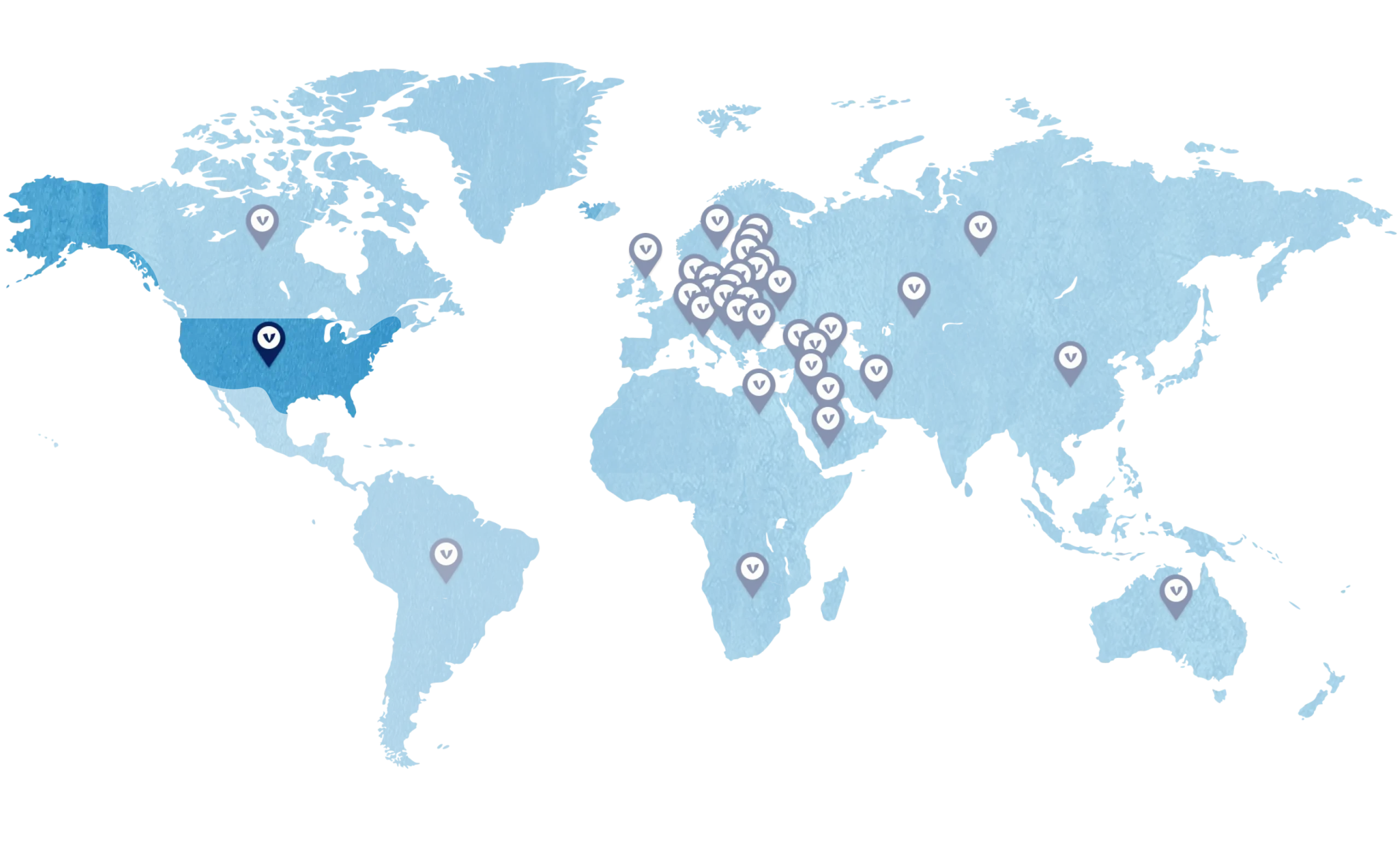
Australia stretches from 10° - 45° south to 113° to 115° east geodetic latitude. It includes the Australian Continent and the Tasmanian Island, and small islands surrounding the land.
Large surfaces of the Pacific (in the east) and Indian Oceans (in the south and west) surround Australia on three sides. Only on the northern side, it is connected, in a way, with Asia through a string of islands.
"Barbie", as the Australians call barbeque has an important role in the social life of Australians. It is prepared in the garden, on the roof or on the beach.
Because of its natural isolation, i.e. distance from other continents, the geographical position of Australia has often been characterized as unfavorable. However, numerous distinct animal and plant species have developed in Australia for that very reason.
The coastline of Australia, with all the islands, is 36 735 km long. The major river is the Murray-Darling, and its capital is Canberra.
Historical influence
The first English immigrants came by ships to Australia in 1788. They settled in Sydney and with time they also inhabited the surrounding areas.
The English brought with them simple recipes for cheap dishes, such as potato dumplings and English pudding. The recipes were passed on from one generation to another, so that even today people prepare dishes such as lamb roast and kidney meat pie. These dishes integrated with other dishes that are today considered typically Australian, including the Pavlova cake, the Soldier's Cake, the Anzac Biscuits, the Lamington cake and the Pumpkin Scones.
But, although English and other immigrants (Italian, German, Greek, Asian, East European and South African) brought with them their national recipes, the food culture had already existed. Centuries before the settlers came, the Australian indigenous inhabitants had used fruits growing in the country and baked unleavened bread.
Recognizable Aboriginal foodstuffs are leaves of lemon myrtle, pepper, spinach, bush tomatoes (small tomato-like fruit, called also desert raisins) and the Macadamia nuts.
International cuisine developed significantly after the 2nd World War. The arrival of the Mediterranean people, mainly Italians, Greek and Lebanese, caused tremendous changes in Australian cuisine. For the past 30 years, the same has been happening again with the immigrants from East Asia. Dishes such as cous-cous, polenta, Thai fish cookies and Chinese noodles have become parts of the typical, everyday Australian family cuisine.
The newest trend is the bush food, i.e. food of the indigenous people. Generally speaking, we are referring to lighter food. Through a combination of Californian cuisine and Asian ingredients we now have a new style called the Pacific Rome as well. Modern Australian cuisine can be said to be one of the most eclectic cuisines in the world.
Features of Australian cuisine
Lemon myrtle leaves, pepper, spinach, bush tomatoes and the Macadamia nuts are some of the recognizable Aboriginal foodstuffs.
The diversity and richness of foodstuffs and cuisine in Australia are a reflection of its geographical diversity. In the south, large pine forests and rich green pastures cover the land on which young beef and lamb are grown, while the cold and clear waters supply the inhabitants with lobsters and fish. Vineyards grow on the red soil of the Coonawarra region, whereas grains are grown in the southeast. The Murray River turns the desert sand into fertile fields with orchards, in which large quantities of lemons, grapes, stone-fruits and tomatoes are grown.
In a somewhat colder climate (Adelaide Hills, McLaren Vale and Barossa Valley), people grow grapes from which top-quality wines are produced. Apples, cherries, berry-fruit and almonds are grown at the feet of the hills, whereas the west coast is a rich source of seafood.
With the development of tourism, the offer of Australian restaurants also grew. A typical menu includes a pate made from goose liver and pepper, grilled kangaroo steak, red wine, French fries and fresh salad with a dressing made from olive oil and red vinegar, while the Lemon Myrtle cake with whipped cream is recommended for dessert.
Fusion cuisine, i.e. a combination of various world cuisines, is also popular, so that, for example, Asian spices, such as chilli, coriander, curry and cardamom, are mixed with classic European dishes.
"Barbie", as the Australians call the barbeque, plays an important role in the social life of Australians. In the yard, garden, on the roof, in the park or on the beach, people prepare various grilled dishes, even exotic recipes, such as rice with Chinese mushrooms grilled in banana leaves or sweet potatoes on sugar cane.
Typical dishes
Damper - a traditional Australian unleavened bread, baked on camp fire or in the cast-iron oven.
Balmain Bugs - flat white-meat crustaceans of mild taste, similar to lobster, usually grilled.
Billy Tea - tea prepared in a metal can (billy), on an open fire.
Chiko Roll - English-style spring roll.
Meat Pies - small pies filled with meat, usually served with tomato sauce.
Lamingtons - cake base cubes topped with chocolate and rolled into coconut flour (a version of our "cupavci"), served with whipped cream and tea. The rumor has it that these cakes dating from the end of the 19th century were invented from the need to use the dried cake base. They were named after Lady Lamington, the wife of the then Queensland Governor.
Pavlova - a sweet delicacy made from the mixture of egg whites and sugar decorated with whipped sweet cream and fresh fruit. The recipe was supposedly created in the honor of the visit of the famous ballerina Anna Pavlova.
Vegemite - a black, thick spread made of yeast and vegetables, mainly eaten on toast. It is said that the Australians who live outside the country cannot be not happy unless they have a supply of Vegemite!
Anzac Biscuits - crispy biscuits made from oats, coconut flour, sugar, flour, butter, soda, water and sugar syrup. During the 1st World War these biscuits were packed into cans and sent to soldiers.
Soldier's Cake - a boiled fruit cake.
Fast Facts
- Full name: Commonwealth of Australia
- Area: 7 682 300 km2
Population: 20 772 981
(94% of European origin, 4% of Asian origin, 1, 5% other)
- Capital: Canberra
- Religion: Roman Catholic 29%, Anglican 22%, Protestants 14%, Other Christian 15%, Nonreligious 14%, Other 6%. Australia has no official religion.
Travel tips
- you need a visa to travel to Australia
- protect yourselves with creams with high protection factors in all seasons of the year
- wear sun glasses and hats
- in case of emergency call 000 (universal number for ambulance, fire department and police)